Use an in-person visit for material decisions
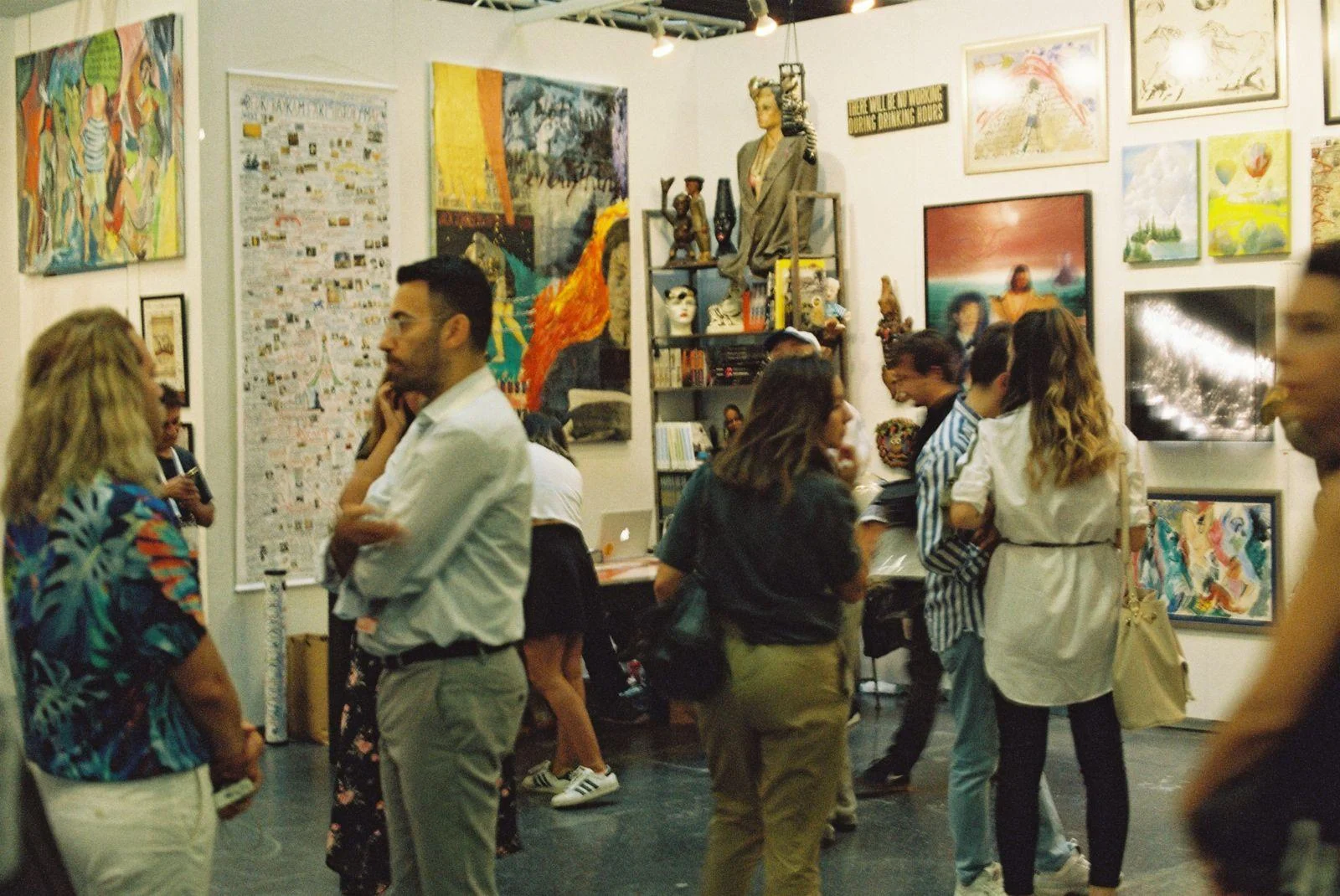
Look at the paper surface from several angles and inspect both the light and dark areas of the image. Ask to see the work under ordinary light if the display lighting is especially dramatic. Take a fabric or paint sample if a close color relationship is important, while remembering that your room's light will still differ.
Ask about the actual item being sold. Is the displayed print the one you will receive, or a sample for a later order? Check the sheet dimensions, condition, and framing options. A gallery or shop visit is most useful when it resolves concrete questions rather than merely offering a pleasant setting.
Make an online listing do more work
Look for separate image and sheet measurements, a clear medium description, paper information, close-up photographs, and shipping details. Ask for clarification in writing if the product photos show several frames or sizes. A prompt, specific answer can be more useful than a long marketing description.
Read returns and damage procedures before paying. Custom sizes and framed products may have different terms from stock unframed prints. Confirm whether you would pay return shipping and whether the packaging must be retained. Large framed items can be difficult to return even when a return is permitted.
Combine the two approaches
You can examine paper or frame samples locally and order the artwork online. You can also discover an image online and arrange an in-person viewing. The purchase route does not have to be a single all-or-nothing choice.
Use the same final checklist either way: exact product, complete cost, delivery timing, condition, framing needs, and a suitable place on the wall. If a key uncertainty remains unresolved, pause that purchase and compare another option. Access to more images is useful only when you can understand what will arrive.