Map the moving objects
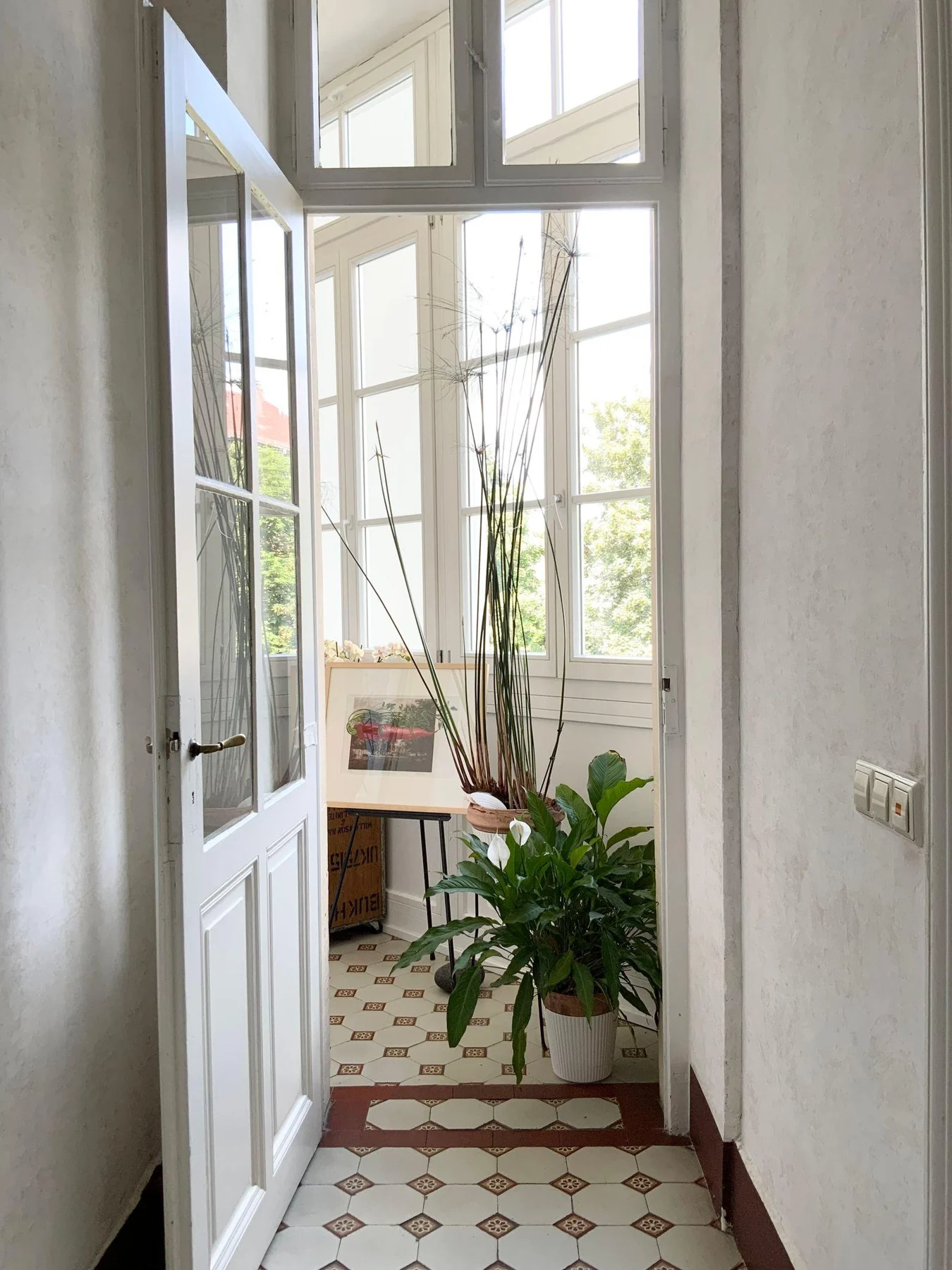
Open the door fully and check the path of its handle. Add coat hooks, a key tray, umbrella storage, and any bench to a simple sketch. A wall that looks empty in a listing photograph may be heavily used during the week.
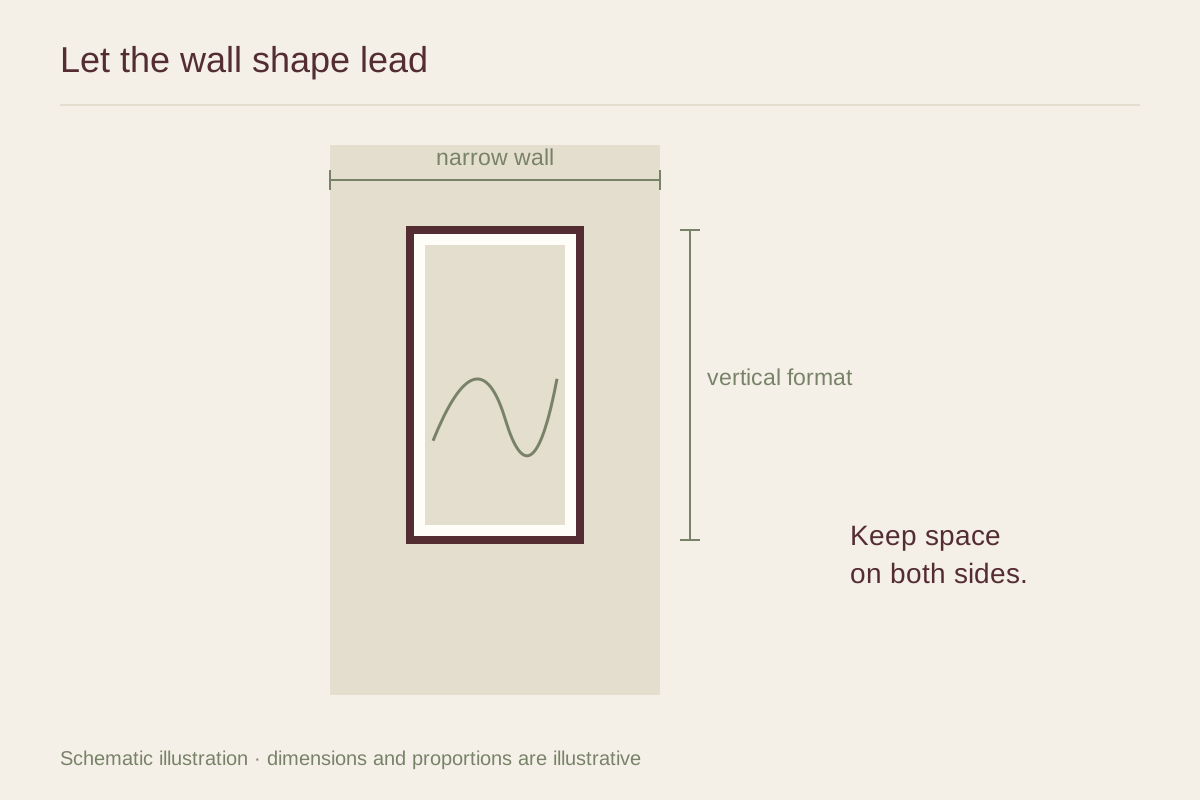
Choose a frame profile that suits the passage. Deep frames can project into a narrow route, while a shallow frame may sit more comfortably. Keep the installation clear of repeated knocks and follow hardware instructions for the actual wall material and complete framed weight.
Match the picture to the pause
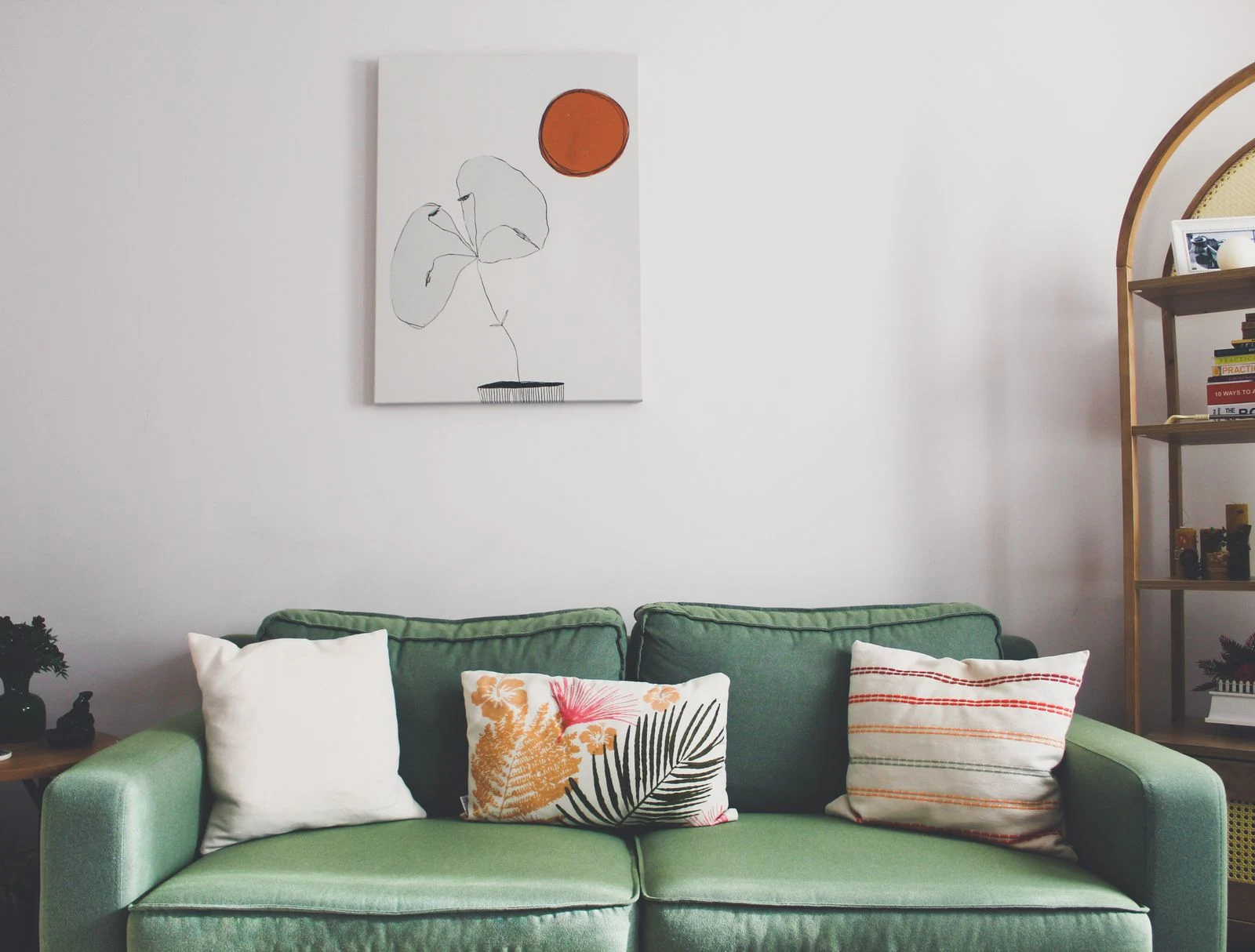
If people stop to remove shoes, a small drawing can reward a close look. If the wall is mainly glimpsed while walking into the home, a clear shape or stronger contrast may register better. You do not need a large print simply because it is the first artwork visitors see.
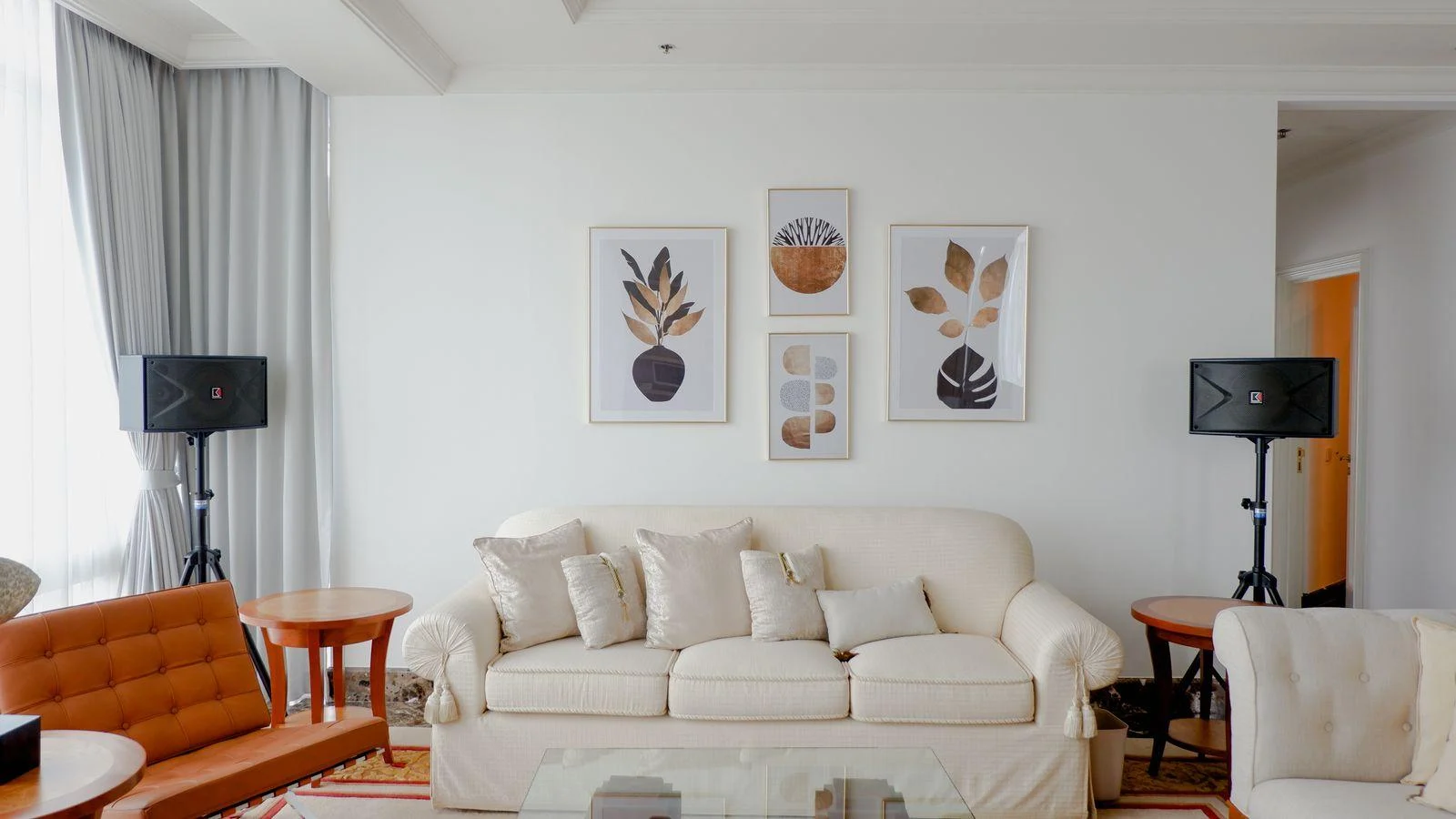
Consider what is visible beyond the entry. The print may share a view with the living room's main art, a patterned rug, or colorful kitchen cabinets. One related color can create continuity, while a distinctly different subject can make the entry feel like its own small space.
Test it with the usual clutter
Place a template on the wall while the bench and hooks are in normal use. A low picture may disappear behind winter coats, and a centered image may be covered by a tall bag left on the console. Choose a position that tolerates these ordinary changes.
Check natural light and reflections from the open door. Sensitive originals are poor candidates for a spot that receives direct sun or damp outdoor air repeatedly. A replaceable print can be a more suitable choice, but it still deserves careful framing and a place where its image remains visible.