Choose a clear visual structure
A frontal facade creates a different rhythm from a steep upward view of a tower. Repeated windows can feel orderly, while strong diagonals bring movement. Decide whether the wall needs a steady background or an image that draws the eye immediately.
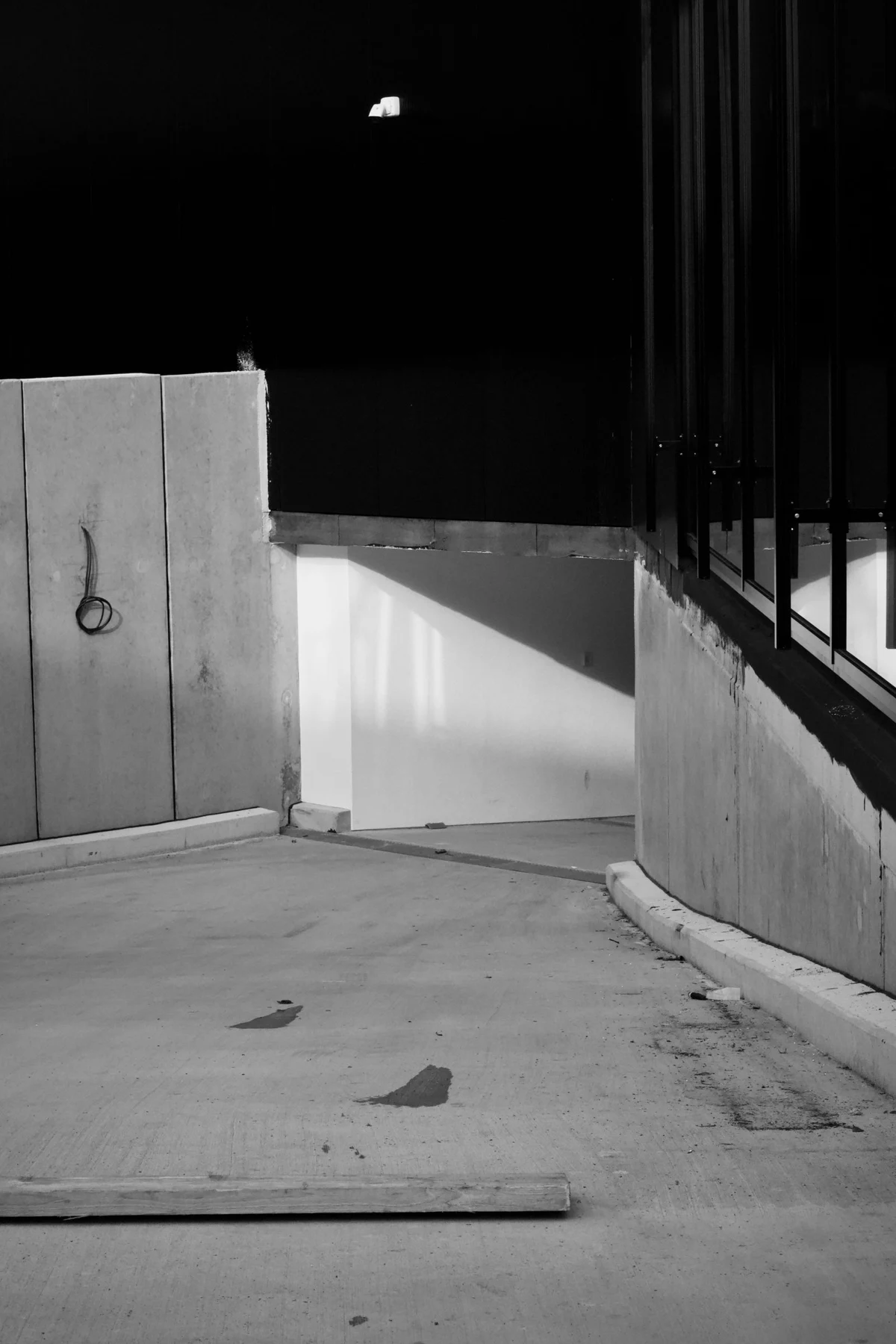
Check the darkest areas at the intended size. Deep shadows can become large graphic shapes, especially in a small print. If the building's detail is important to you, ask for a close view or proof that shows those shadows rather than relying on a bright screen preview.
Keep perspective intentional
Converging verticals may be part of the photographer's design. They do not automatically need correction. What matters for display is whether the angle feels deliberate within the composition. A dramatic lean can be exciting beside simple furniture but may clash with an already busy arrangement of shelves and doorways.
When choosing several photographs, compare their viewpoints. Three images with different vanishing directions can make a wall feel restless. A pair with related angles and contrasting subjects may be easier to read. You can also use one strong perspective image as the only architectural piece in a mixed collection.
Let the frame support the geometry
A clean frame profile often works well with precise architectural lines. Black can echo the deepest shadows, while a subdued wood can soften the relationship with the room. A white mat creates separation and can prevent a dark building from merging directly into a dark frame.
In a room with rounded seating and soft fabrics, the photograph may supply all the angular structure you need. Resist repeating its grid in every nearby accessory. Place it where the main lines remain visible from the usual seat, and check reflections carefully: a bright window reflected across a dark facade can obscure the very geometry that made you choose the photograph.