Start with the object and its purpose
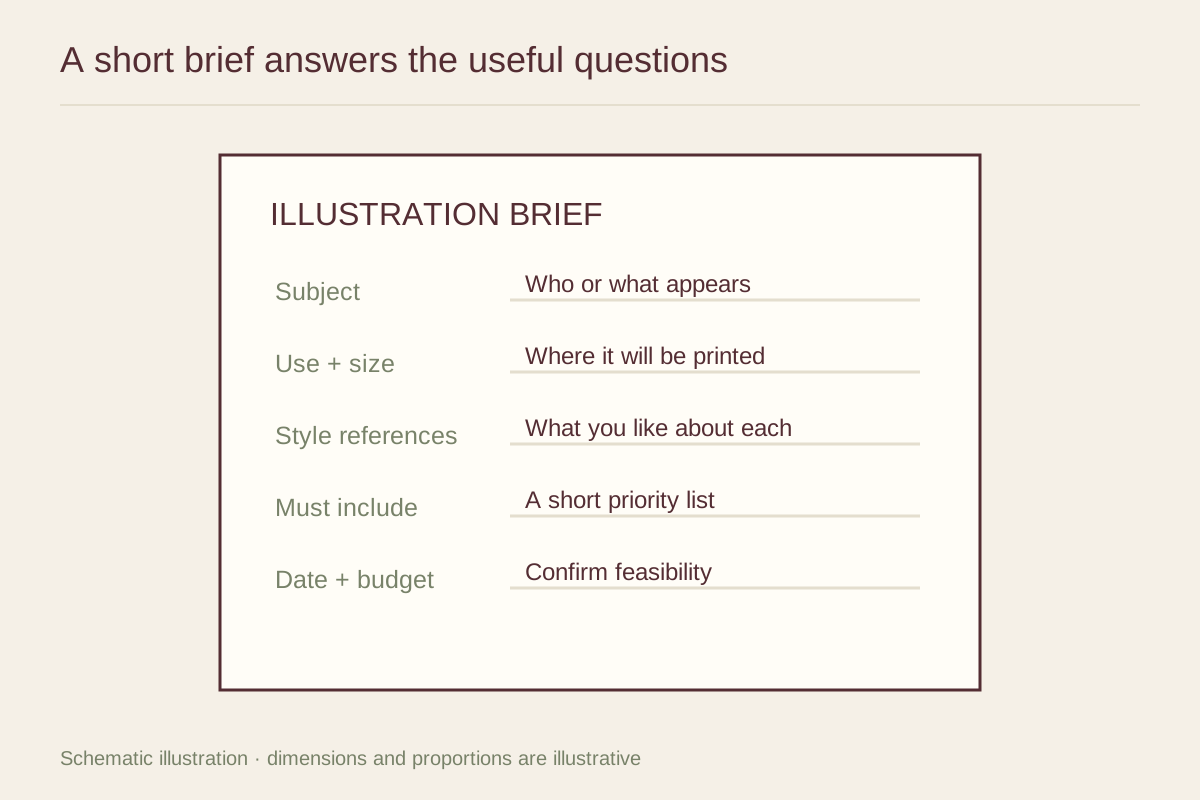
Say whether the illustration is intended as a framed gift, a printed card or a digital image. Include the planned dimensions and orientation if they are already known. The artist needs to understand where the image will be used, because a composition for a small card may not suit a wide wall print.
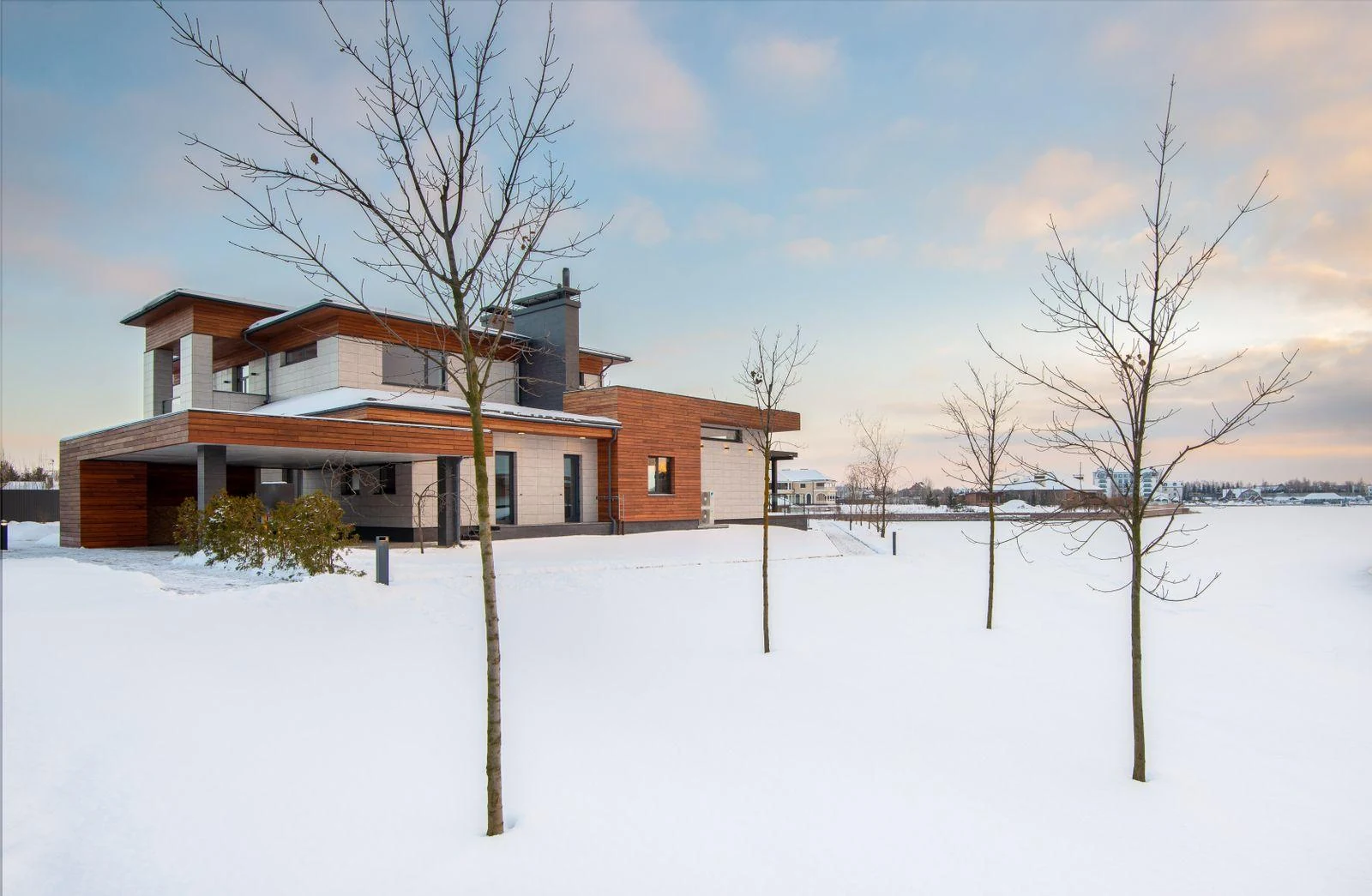
Explain the occasion in a sentence. A housewarming portrait of a first home, for example, gives the artist context without requiring a long family history. Include private background only when it changes what should appear in the artwork.
Describe the subject in concrete terms
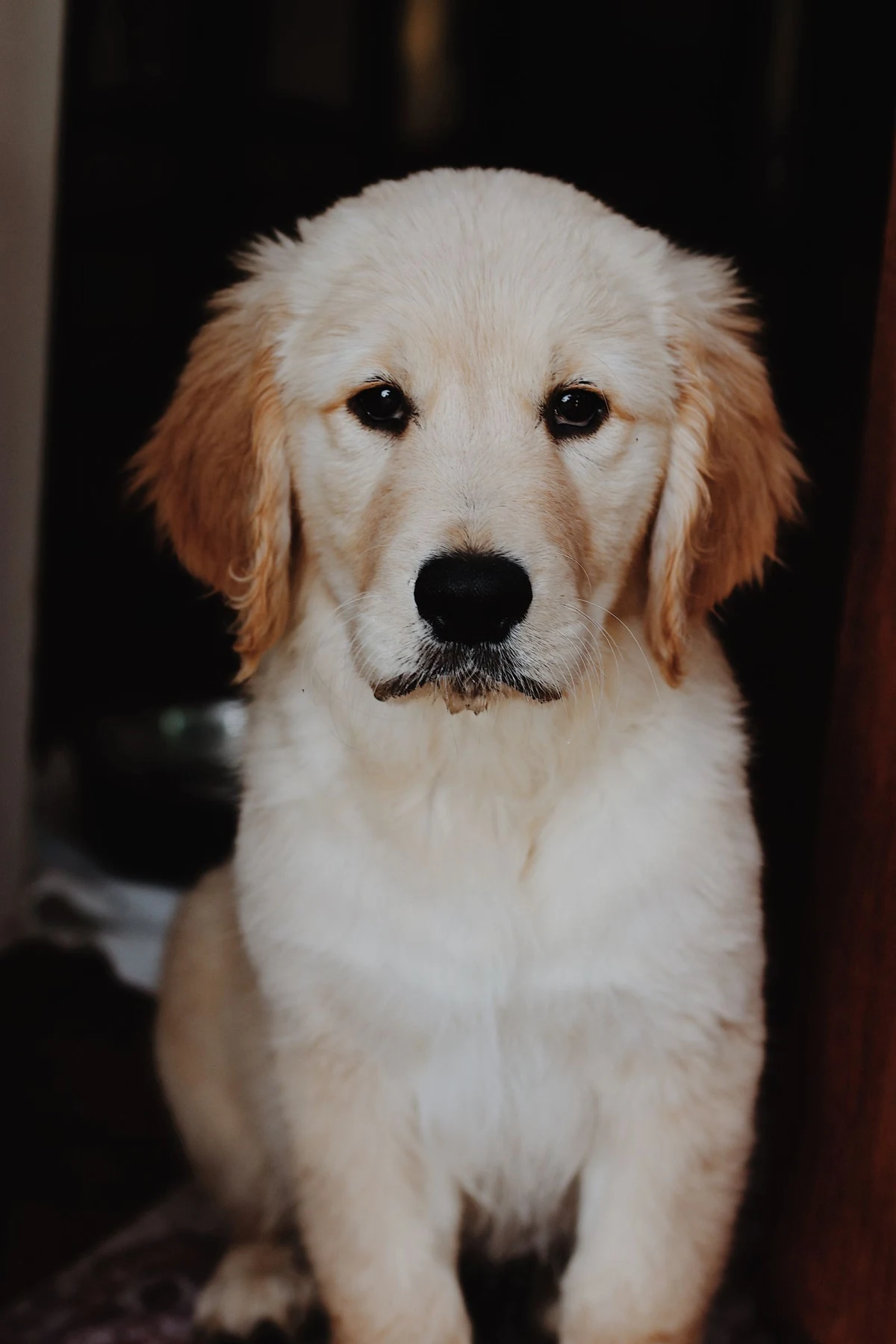
List the people, pets, building or objects that must be included. Label reference images so the artist can connect each file with the correct subject. State which photograph supplies the main pose and which ones only clarify color, clothing or a small detail.
Mention anything that should be omitted: a car in front of the house, a distracting logo or a background object that is not part of the memory. If an omitted object hides an important feature, provide another view or ask whether the artist can reasonably interpret it.
For text, supply one final typed version. Names, dates and a dedication should not be scattered through different messages or embedded only in a blurry photograph. Mark the wording as exact when it is meant to be reproduced unchanged.
Use style references to communicate, not to copy
Select one or two examples from the illustrator’s own portfolio that show the level of detail or color treatment you like. Explain what you respond to: the loose line, the quiet palette or the amount of background. This is more useful than asking for something “beautiful” or “modern.”
If you use another artist’s work as a reference, do not ask for a reproduction of their distinctive composition or an undisclosed imitation. Describe the general qualities you need and let the commissioned illustrator explain how they would approach them in their own work.
Identify the nonnegotiable details
A particular ear marking on a pet, the shape of a porch or a pair of glasses may be essential to recognition. Put those details in a short priority list. Treat decorative preferences as a separate category so the artist knows where interpretation is welcome.
Too many fixed instructions can contradict one another. A tiny print cannot show a large family, a detailed house, a long quotation and every clothing pattern equally clearly. If your brief is crowded, ask what should be simplified or whether the size needs to change.
Include the practical boundaries
State the date you need the finished result, whether that includes printing and shipping, and any budget limit relevant to the quote. Ask what deliverables are included: file formats, physical prints, framing and revision stages. A shared understanding here prevents a digital-only commission from being mistaken for a delivered framed object.
Describe the intended use and ask what permission comes with the order. A personal gift, additional family copies and commercial stationery are different uses. Do not assume that receiving a file answers every question about reproducing it.
End with a short confirmation request
Ask the illustrator to confirm the scope, timeline and any missing references before work starts. Keep the accepted brief with the order information. If the plan changes, update the relevant details in one message rather than relying on an old version plus several informal additions.
A good brief makes the necessary decisions visible. It should give the artist a clear destination without trying to prescribe every mark they will make along the way.