Start with the face at the right angle
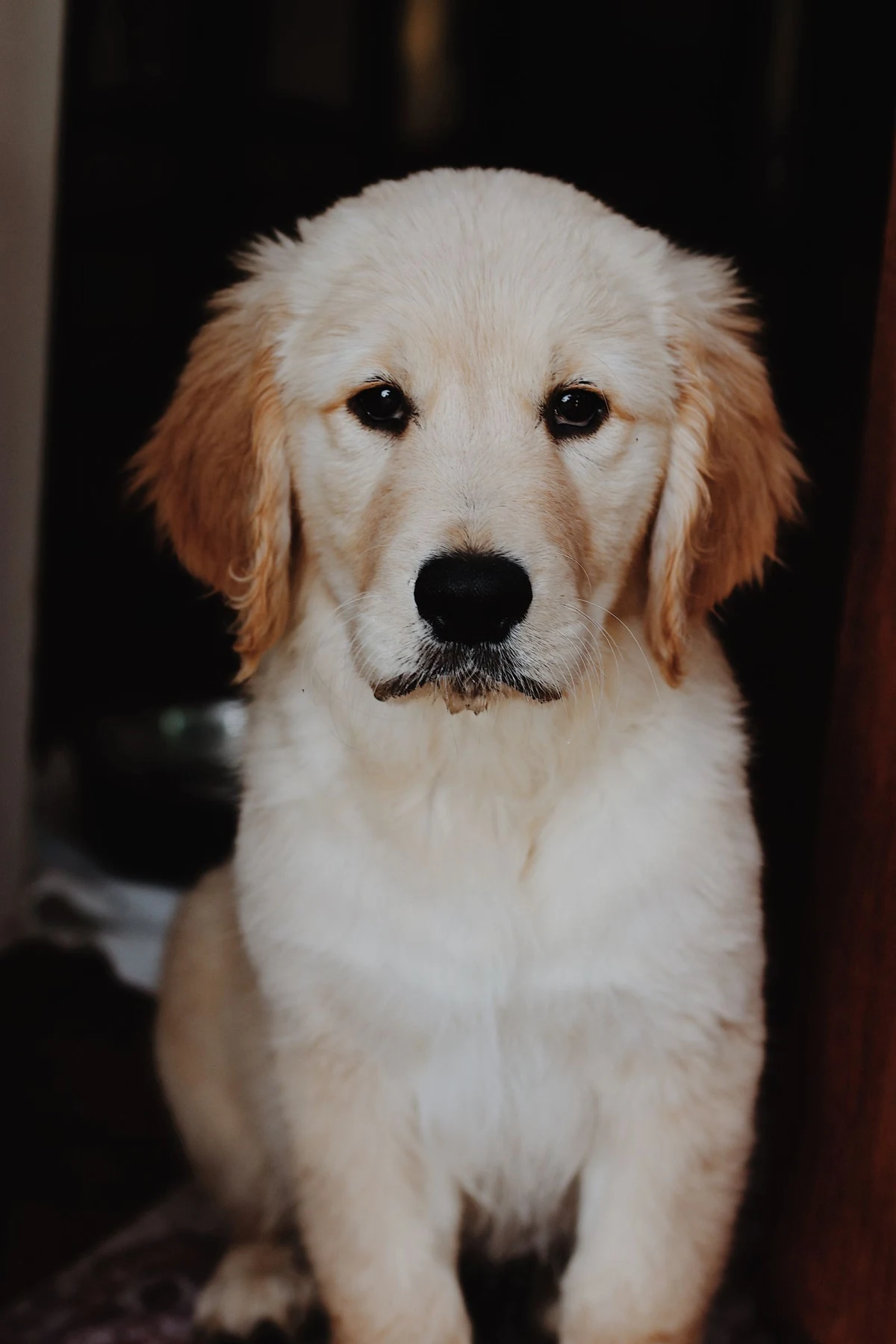
Choose a main reference in which the eyes, nose and the shape of the head are easy to see. Photograph from near the pet’s eye level when you want a straightforward head-and-shoulders portrait. A picture taken from high above can make the forehead look larger and hide the muzzle.
The angle should agree with the portrait you want. A side view is useful for a profile, but it cannot show every marking on the far side of the face. Avoid asking the artist to reconstruct important details from a single unclear image unless imaginative interpretation is part of the commission.
Look for information, not a filter
Soft daylight can reveal fur color without the strong glare of direct flash. Check the original file at a larger size: are the eyes in focus, and can you distinguish the edge of an ear from the background? A phone screen thumbnail can conceal blur that becomes obvious when enlarged.
Send the original photograph when possible, rather than a screenshot from a social post. Beauty filters, dramatic color adjustments and portrait-mode cutouts can alter fur tones or erase whiskers. Tell the artist if a reference looks warmer or darker than the pet does in ordinary light.
Add a few supporting views
A second picture can show the chest markings, collar or characteristic ear position. Another can communicate a familiar expression. Label the main reference and explain the purpose of each extra view so the artist does not have to guess which pose to follow.
For several pets in one artwork, provide a clear photograph of each animal and explain their relative sizes. Separate close-ups do not tell the artist whether one dog stands much taller than the other. A simple side-by-side photograph, if available, helps establish the relationship.
Choose the details that belong in the gift
Decide whether to include a collar, tag or favorite toy before work begins. Check the spelling of a name and whether a date is wanted. A gift portrait does not need every object from the reference photograph; an uncluttered background may keep attention on the animal.
Confirm the artist’s reference requirements and revision process before ordering. Some styles need sharp detail, while others use broad shapes and color. If the only available photograph is small or faded, send it for review first and ask what can realistically be represented. Do not pay on the assumption that every missing feature can be recovered.
Use photographs you own or have permission to share for the commission. A short brief identifying the pose, markings and expression matters more than a large folder of almost identical shots.