Choose the relationship through color or shape
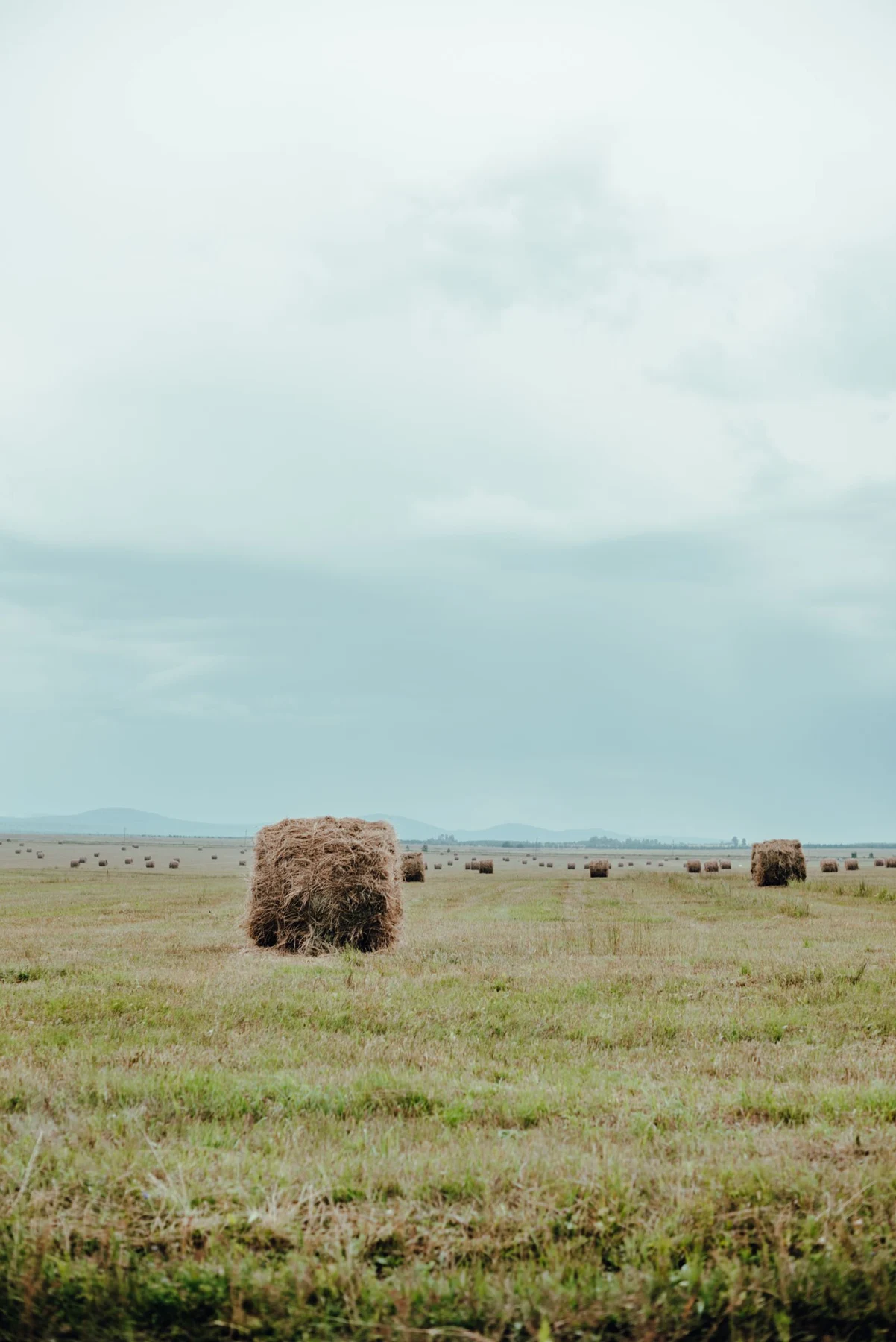
A low band of hills can echo a long sofa without matching its style. A warm patch of earth can connect with a leather chair, or a pale sky can relate to the wall. Pick one of those links rather than trying to make the entire landscape repeat the room's palette.
If the furniture is very spare, a detailed landscape can provide a welcome change of pace. If the room already contains several sculptural pieces, a quieter view may make the arrangement easier to read. The age or style of the image is less important than its actual visual density.
Decide what the frame contributes
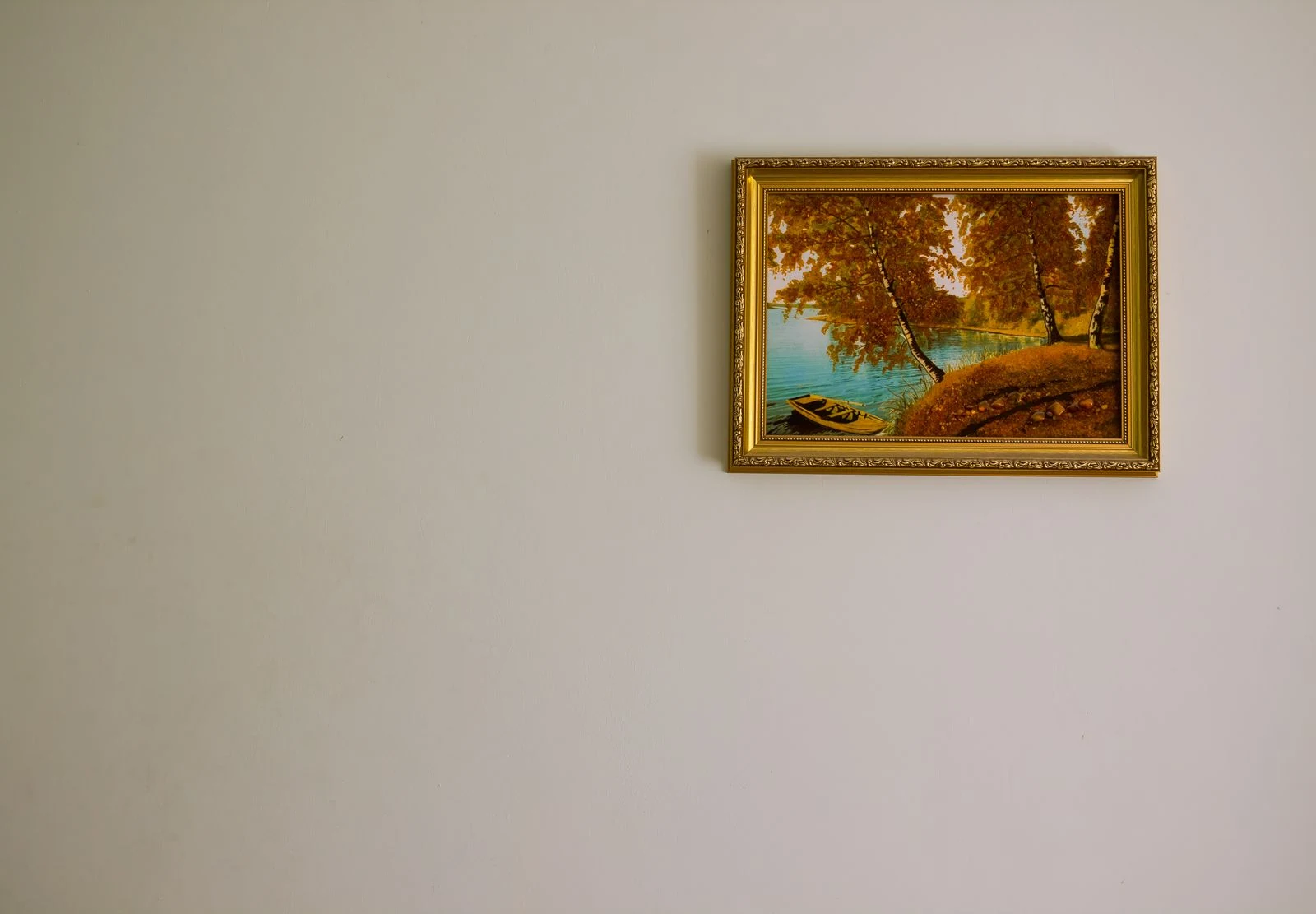
An ornate frame can emphasize the contrast with modern furniture. A simple frame can bring attention closer to the image itself. Neither approach is a required update. If the frame is original to an older work or has significance, seek advice before changing it merely to coordinate with a room.
For a reproduction, try a restrained wood molding and a more substantial profile. The broader frame may give the landscape a stronger presence above a simple cabinet. A narrow frame may work better when the picture is already large or when nearby furniture has a strong outline.
Avoid surrounding it with explanations
The room does not need additional antique-looking objects to justify the painting. A modern lamp, a plain table, and the landscape can form a complete arrangement. Conversely, one older object can provide a subtle connection if it is useful or meaningful to you.
Check the view from both standing and seated positions. A traditional landscape often contains details that reward a closer look, so a location reachable from the side of a chair may be more satisfying than a high inaccessible wall. Let the picture remain a view to spend time with, rather than a stylistic token placed to prove that old and new can coexist.