Find the subject within the interest
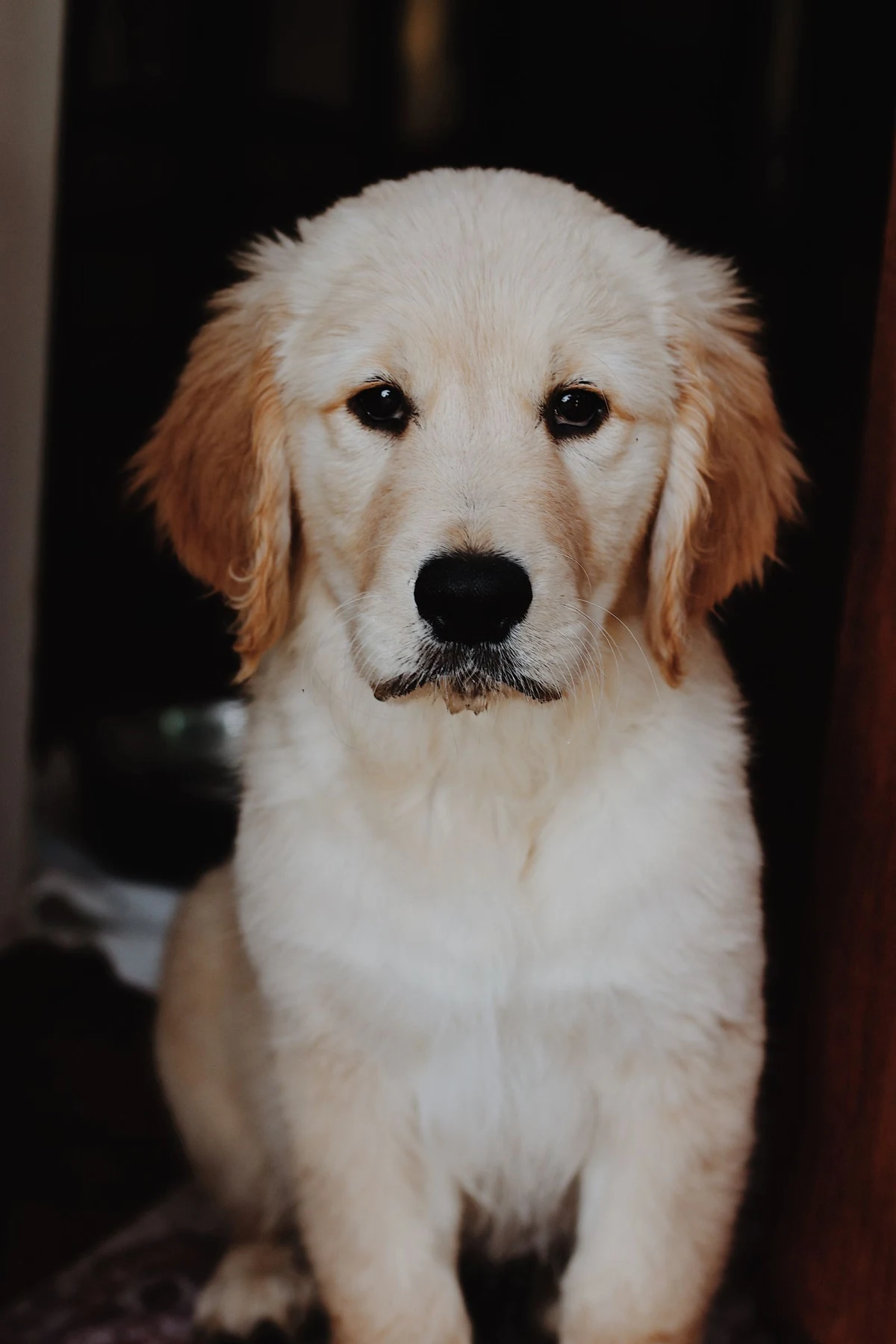
Think about the landscapes or living things the person notices. A birdwatcher may appreciate a recognizable local species; a gardener may prefer a botanical drawing; a walker may respond to the outline of a familiar mountain. These are different visual interests, even though all fit under nature.
When accuracy is part of the appeal, check the species name and the image rather than choosing from a decorative label alone. An attractive generic bird may not satisfy someone who especially loves a particular species.
Choose between a study and a scene
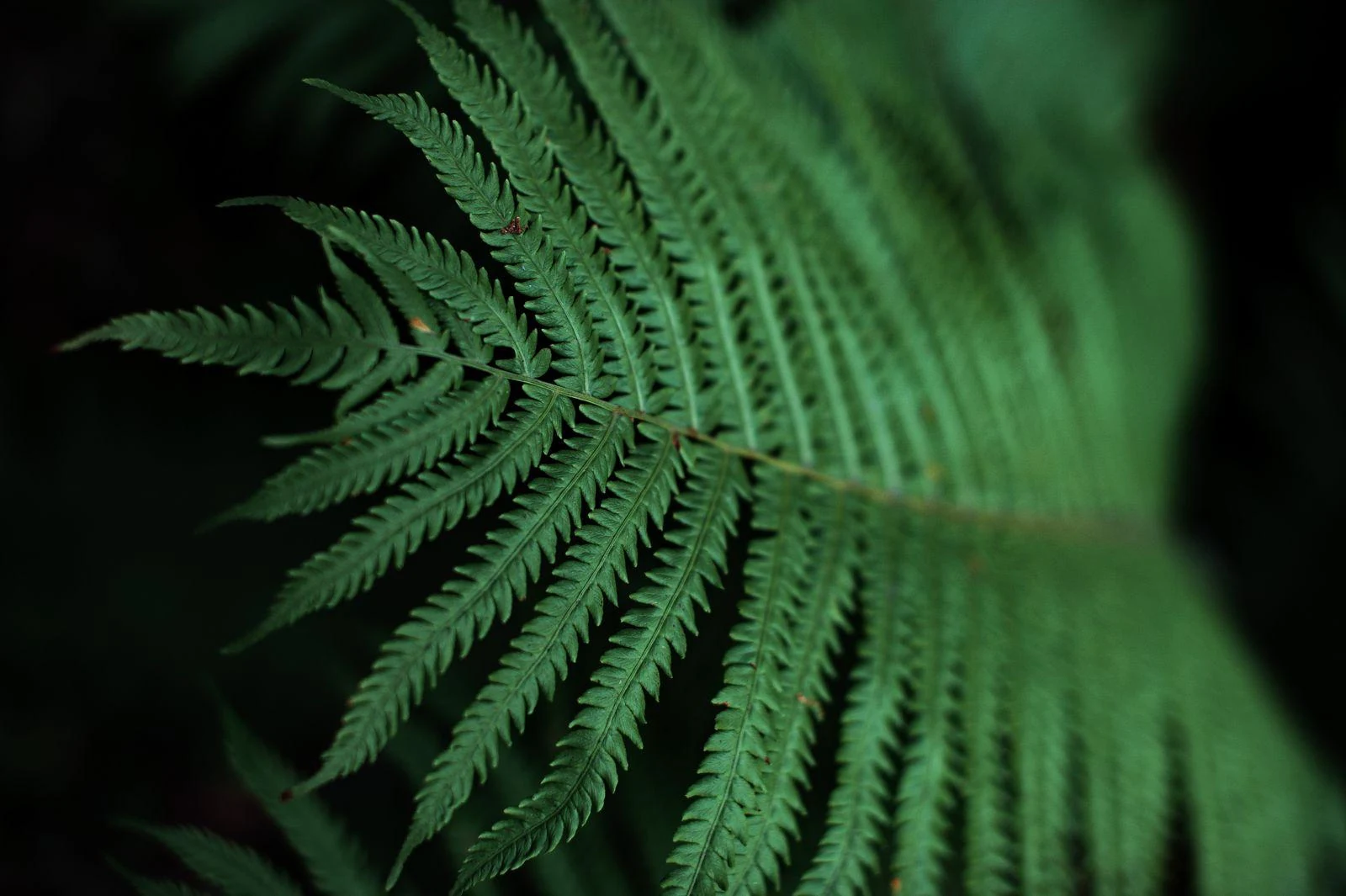
A close botanical or animal study invites attention to form and detail. A landscape suggests a place and an atmosphere. Consider which kind of looking the recipient enjoys and how much detail will remain visible at the proposed print size.
A small print of a dense forest may become a field of dark marks, while a single leaf or a clear coastline can retain its identity. Examine a preview at actual size when possible.
Make room for their existing collection
If the person already owns natural-history prints, a new piece can connect through subject or format without imitating the whole set. Note whether their collection is mostly photographic, illustrated or map-based. A gift can complement it without forcing exact matching.
Avoid adding a very large frame unless you know where it will go. An unframed print in a standard size gives more freedom, provided the image itself is protected and the dimensions are included.
Explain the connection briefly
A note mentioning a shared walk, a favorite garden or a place they hope to visit can carry the personal part of the gift. The artwork does not need extra printed text to do that job.
Choose from a seller who identifies the image and its format clearly. Keep the product information with the gift so the recipient knows what they have received and can make suitable framing choices.