Compare a small set of examples
Choose a few portfolio examples with clearly different approaches: a detailed painted likeness, a simplified line drawing and a scene with a meaningful background. Discuss what each person likes about them. “The colors feel quiet” is more useful than a broad label such as “classy.”
Look for the shared preference rather than combining every favorite feature. Asking one artist to reproduce the linework of one example, the faces of another and the background of a third can create an unclear brief.
Agree on how recognizable the faces should be
Some illustration styles intentionally simplify or omit facial features. That can work beautifully when posture, clothing and setting carry the memory, but it will not satisfy someone expecting a close likeness. Make this decision before selecting the commission format.
Check whether the artist’s examples resemble the type of reference you have. A clear daylight portrait provides different information from a distant photograph taken at night. Ask about suitability before placing the order.
Choose a pose both people enjoy
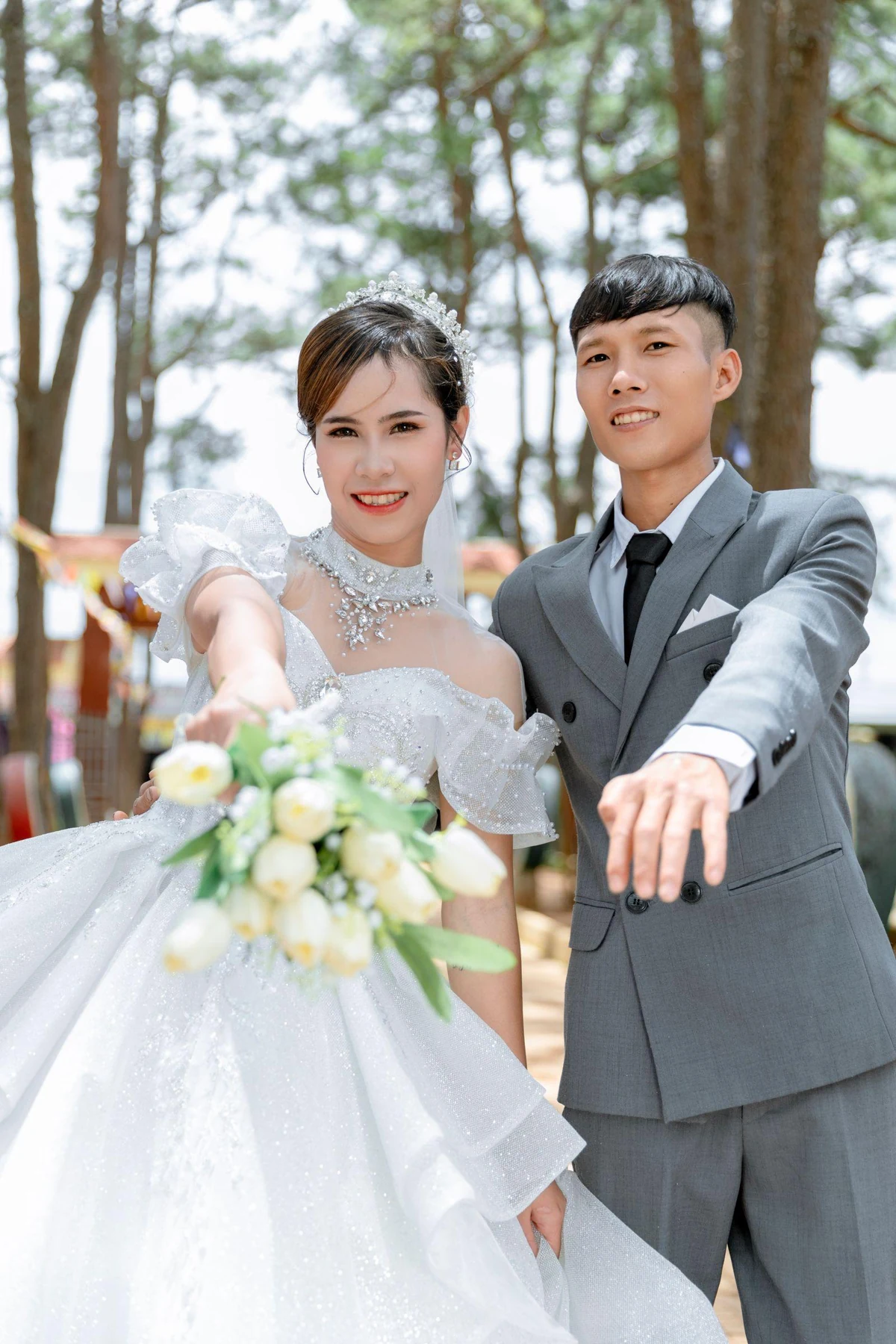
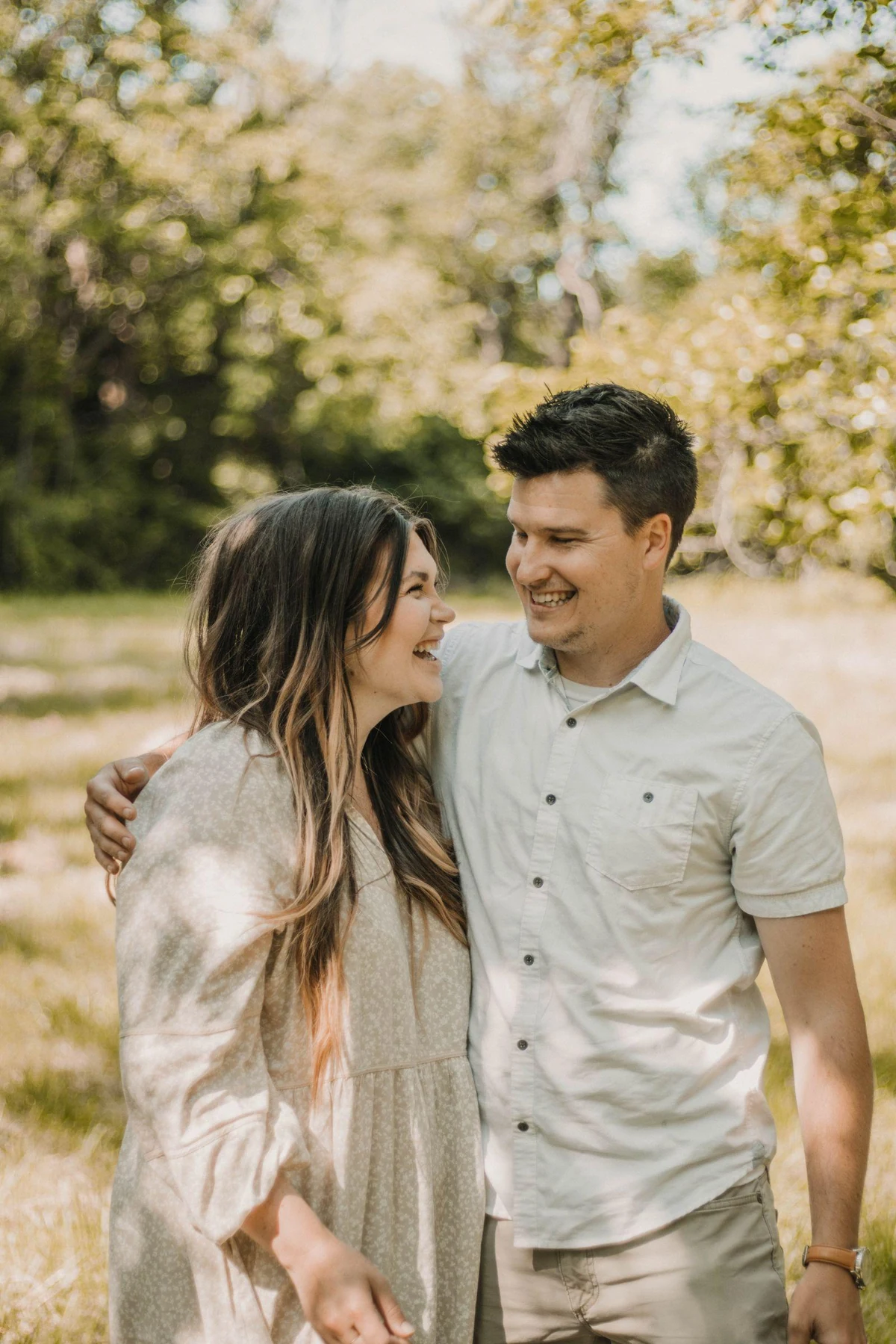
A favorite photograph for one person may be an unflattering or uncomfortable memory for the other. If the portrait is a joint decision, each person should be happy with the main reference. A different picture may solve the problem more effectively than requesting extensive alterations.
For a surprise gift, avoid a highly intimate pose unless you know the recipient would want to display it. The intended room and likely audience matter as well as the occasion.
Let the setting stay secondary
A wedding venue, a street or a landscape can give the image context, but a detailed background may reduce the space available for the couple. Ask how the composition will work at the final size.
A short dedication can go in the card rather than on the artwork. Keeping the print visually simple leaves it easier to move between rooms and lets the couple decide how publicly the story is told.