Match the object to a habit
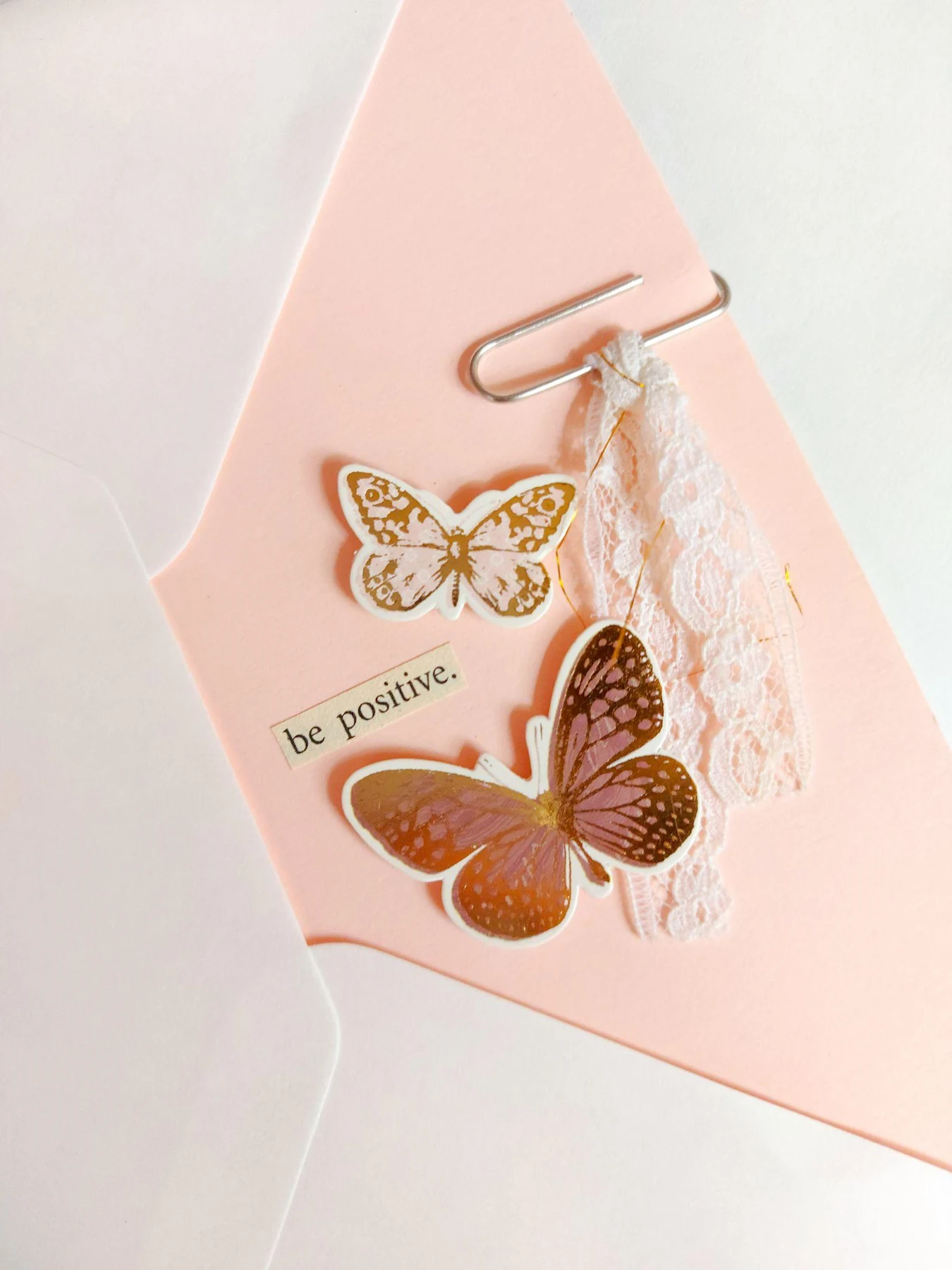
Bookplates make sense for someone who keeps and lends books, while a set of illustrated note cards may suit someone who writes letters. A person who rarely uses paper correspondence may enjoy a small print more than a large stationery box.
Choose a subject connected with their interests: a botanical drawing, an architectural motif or an animal illustration. Check the scale of the design. Fine detail that works on a wall print may become crowded on a small label.
Consider how a bookplate will be used
A bookplate may be adhesive, gummed or intended to be attached separately. Read the product description and let the recipient decide which books should receive one. Do not place plates in valuable, borrowed or collectible books as part of the surprise.
If the set is personalized, verify the name exactly and consider whether initials would offer more flexibility. Leave enough writing space when the design is meant to be filled in by hand.
Check the writing surface
For note cards, look at the inside as well as the cover. A heavily coated or very dark surface may be less convenient for ordinary handwriting. Ask about the paper finish if the product photographs do not make it clear.
Confirm the number and size of cards, whether envelopes are included and whether the set contains one image or several. Those small details affect how usable the gift will be.
Keep the presentation simple
A compact box protects the paper and makes it easy to store. Avoid adding bulky packaging that occupies more space than the stationery itself. A short note explaining why the illustration reminded you of the recipient gives the gift its personal connection.
For a personalized set, allow time to inspect the proof and spelling. The same care that applies to a large commissioned print also matters on a small card someone may use for years.