Check the flower the seller uses
A month may be associated with more than one flower, and different collections may choose different examples. Read the seller’s chart before ordering. If the recipient already uses a particular flower as a personal symbol, choose a design that matches it rather than explaining away a difference afterward.
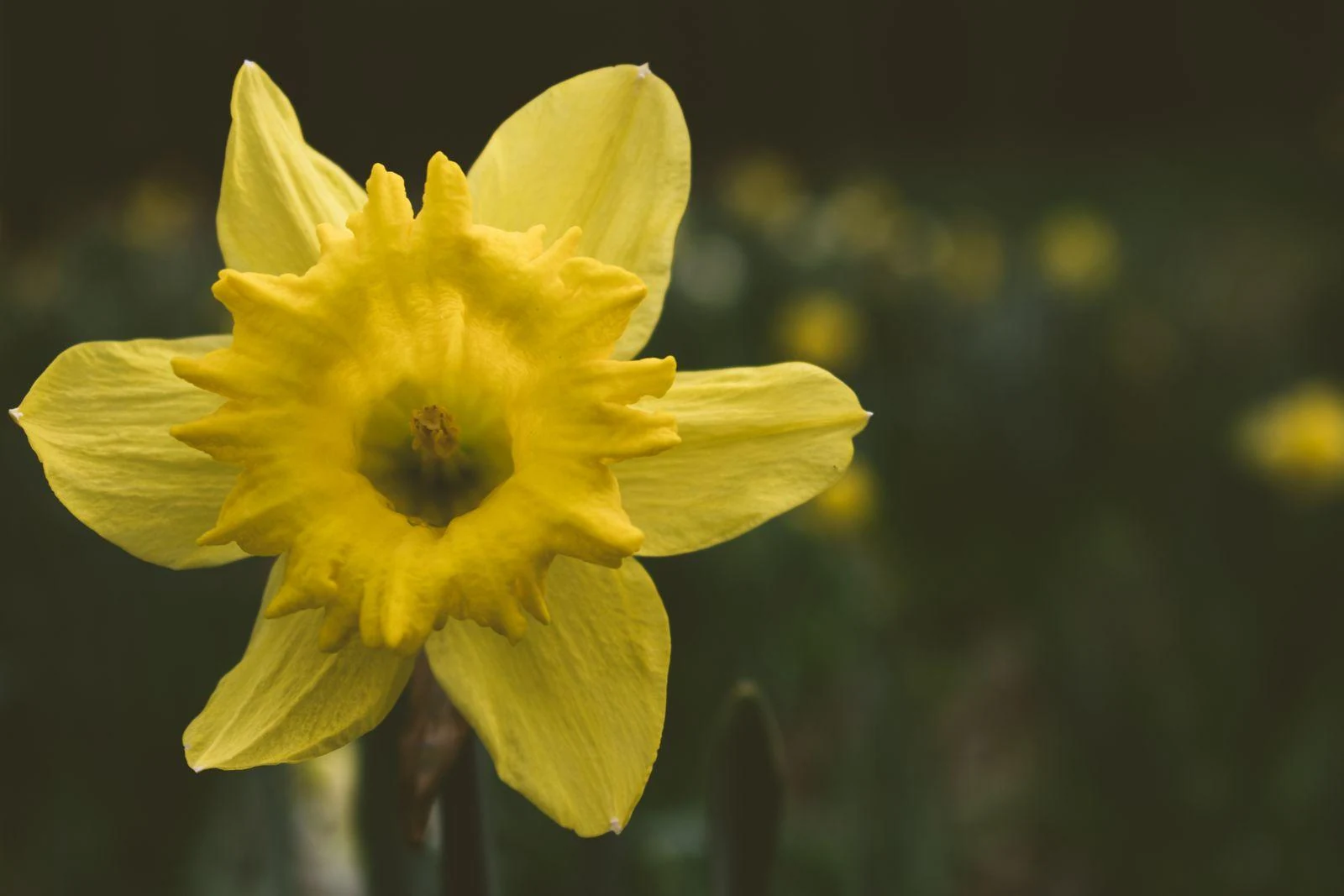
Look at the illustration itself as well as the name. A simplified botanical drawing can be decorative without functioning as a precise identification guide. If botanical accuracy matters to the recipient, examine the plant details or ask the seller about the source of the image.
Decide how personal the text needs to be
A first name and month may be enough. Full birth dates can add information the recipient does not want displayed, particularly in a shared room or a background used for online calls. Use only the details that make the gift meaningful.
For a family bouquet, confirm the order of names and which flower belongs to each person. A busy composition can make those relationships unclear. Ask for a proof that shows the final labels at a readable size.
Treat meanings as an optional story
A phrase about love, courage or renewal may be appealing, but it should not be presented as an undisputed meaning attached to the plant everywhere. If a symbolic explanation is central to the gift, ask where that interpretation comes from.
You can simply say why the flower reminded you of the person. A personal association in the gift note often feels more natural than a printed statement claiming to define their personality.
Choose for the room as well as the occasion
Check whether the colors and format suit a small framed print, a card or a larger wall piece. A dense bouquet that works on a large sheet may lose detail in a miniature version.
Keep the approved spelling and design proof until delivery. Once the names are correct, a simple frame and a short note can let the botanical image carry the gift without additional decoration.